
Roanoke Lawmakers Dig In Against Casino Plan Near Berglund Center Despite City's Lobbying Surge
The Pitch That Didn't Land
Local lawmakers representing the Roanoke Valley have stuck to their unanimous opposition to a proposed casino development within an entertainment district encircling the Berglund Center, even as the city of Roanoke ramps up its push by hiring a lobbying firm and signing a non-disclosure agreement with an unnamed casino operator; this stance, solid as ever in early May 2026, comes after the full package—which bundled the casino with hotels, expanded parking, and new restaurants—failed to gain traction during the recent Virginia General Assembly session. According to a WDBJ7 report detailing the lawmakers' position, the idea surfaced late last year, aiming to transform the area into a vibrant hub, yet it hit a wall with state-level decision-makers who hold the keys to approval, including the Governor's office.
What's interesting here is how the proposal positioned itself not just as a gaming spot but as a multifaceted entertainment zone, complete with accommodations and dining that could draw crowds year-round; still, delegates and senators from the region saw risks lurking beneath the surface, arguing that such a venture might undercut the area's organic economic momentum rather than boost it. Take Delegate Lily Franklin, for instance, who along with colleagues has voiced concerns that a casino could siphon resources and attention away from sustainable growth paths already in motion.
Key Players Drawing the Line
Senator Chris Head, Senator David Suetterlein, Delegate McNamara, and Delegate Sam Rasoul join Franklin in this chorus of resistance, each emphasizing that the Roanoke Valley's future lies elsewhere—perhaps in bolstering the Berglund Center itself for broader tourism appeal—rather than gambling on a casino that, they contend, poses threats to long-term prosperity. These legislators, covering a mix of districts but united on this front, point out that while flashy developments grab headlines, they often come with hidden costs to local economies still finding their footing; data from similar projects elsewhere, as tracked by the American Gaming Association, sometimes reveals mixed results on job creation and revenue sharing, though Roanoke's team zeros in on regional specifics.
And yet the city's commitment persists; by bringing in professional lobbyists and locking in that NDA, Roanoke officials signal they're not backing down easily, keeping details of the anonymous operator under wraps to shield negotiations from public scrutiny or competitive interference. Observers note this move mirrors tactics seen in other Virginia locales chasing gaming licenses, where secrecy buys time but doesn't guarantee wins.
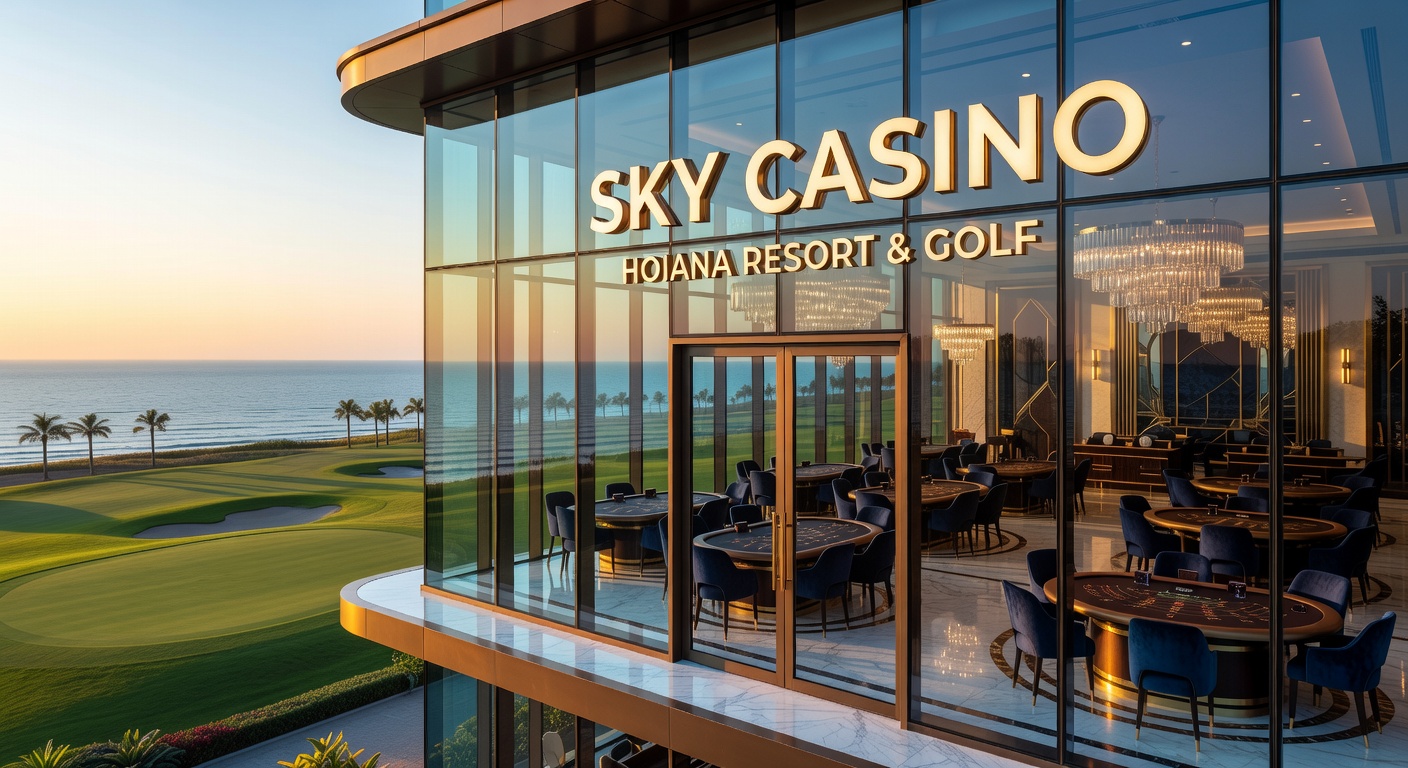
But here's the thing: the General Assembly's recent wrap-up in spring 2026 sealed the proposal's fate for now, with no bills advancing to the Governor's desk that would greenlight a Roanoke casino; this outcome underscores the high bar set by state law, which since 2020 has authorized limited casino resorts but requires local buy-in alongside rigorous economic impact assessments. Roanoke's bid, pitched as an extension of that framework, simply couldn't rally the necessary delegates beyond its borders, leaving proponents to regroup.
Unpacking the Lawmakers' Arguments
Delegate Franklin has highlighted how a casino might disrupt the valley's momentum in sectors like manufacturing, healthcare, and outdoor recreation, which have fueled steady job gains without the volatility tied to gaming revenue; Senator Head echoes this, noting that taxpayer funds better serve upgrades to existing assets like the Berglund Center, a multi-purpose arena that's hosted concerts, sports, and conventions since 1971, drawing over 200,000 visitors annually in recent years. Suetterlein adds that alternatives—think enhanced facilities for e-sports, family events, or regional festivals—align more closely with the area's family-friendly vibe, potentially yielding steadier tourism dollars without the social costs sometimes linked to casinos.
Delegate McNamara and Rasoul round out the opposition by stressing community input; surveys and town halls, as referenced in legislative debates, showed divided local sentiment, with many residents wary of increased traffic, crime concerns, or over-reliance on out-of-town gamblers. Turns out, this unified bloc wields considerable sway in Richmond, where Roanoke-area reps can tip scales on bills affecting the commonwealth's western regions.
City's Behind-the-Scenes Push
Roanoke's leadership, undeterred, contracted a specialized lobbying outfit experienced in gaming legislation—firms like these often navigate the maze of statehouse relationships, crafting pitches that emphasize projected tax revenues (potentially tens of millions annually for casinos elsewhere in Virginia) and infrastructure windfalls. The NDA with the mystery operator, likely a major player given the scale, protects proprietary plans such as slot counts, table games, or hotel room totals, which remain undisclosed as of May 2026; this cloak of confidentiality, while frustrating transparency advocates, is standard in high-stakes deals where leaks could derail partnerships.
So why the persistence? City council minutes from late 2025 reveal optimism around the entertainment district concept, envisioning a synergy where Berglund events feed casino foot traffic and vice versa; projections floated in those discussions promised 1,500 jobs and $50 million in yearly local spending, figures drawn from approved casino models in nearby Danville and Portsmouth. Yet lawmakers counter that those successes don't translate directly to Roanoke's smaller market, where competition from established resorts could dilute gains.
Spotlight on the Berglund Center
At the heart of it all sits the Berglund Center, Roanoke's 10,000-seat arena and 3,500-seat coliseum combo, managed by the city's Parks and Recreation department; recent upgrades have modernized its booking system, landing acts like WWE events and Disney on Ice, but proponents argue a casino district would supercharge attendance by adding nightlife options. Lawmakers, however, envision a different path: targeted renovations funded through state tourism grants or private bonds, focusing on tech integrations like better Wi-Fi for live streaming or green energy features to attract eco-conscious crowds.
One case where experts have observed similar pivots involves Norfolk's waterfront, where non-gaming entertainment clusters have thrived alongside but not dependent on casinos; Roanoke reps cite this as a blueprint, suggesting the valley could leverage its Blue Ridge Mountains proximity for adventure tourism instead.
Statewide Casino Landscape Shapes the Debate
Virginia's gaming expansion, greenlit via a 2020 referendum, has seen four resort casinos licensed so far—with Danville's Rivers Casino opening in 2024 and others in the pipeline—but Roanoke missed the initial wave, lacking the political muscle or operator backing at the time. The General Assembly's 2026 session revisited expansions amid budget pressures, yet regional protections held firm; Governor Glenn Youngkin's administration, balancing fiscal conservatism with growth, deferred to local delegations on this one, effectively tabling Roanoke's ask.
Now, with the session adjourned, the ball's in the city's court to either refine the pitch for 2027 or pivot entirely; lobbying records show Roanoke's firm already scheduling follow-ups with key committee chairs, hinting at a longer game.
Looking Ahead: Alternatives Gain Traction
While the casino dream fades for the moment, discussions around Berglund enhancements heat up; lawmakers have floated bills for $20-30 million in state matching funds to expand parking or add convention space, measures that cleared subcommittees last session before stalling on unrelated priorities. Community leaders, including chamber of commerce reps, back this route, pointing to studies from the Berglund Center's own analytics showing untapped potential in mid-sized events.
It's noteworthy that this opposition isn't knee-jerk; these legislators, many reelected in 2025 on pro-growth platforms, weigh data indicating casinos often peak early then plateau, whereas venue upgrades deliver compounding returns over decades.
Conclusion
In May 2026, Roanoke's casino saga boils down to a classic local-versus-visionary clash: city hall chases bold transformation through secretive deals and hired guns, but valley lawmakers, speaking for constituents, enforce caution with unanimous resolve; the failed General Assembly bid marks a setback, yet with alternatives like Berglund revitalization on deck, the entertainment district's evolution continues—just sans slots and tables for now. Those tracking Virginia's gaming frontier know pushes like this rarely die outright, so watch for the next session where reworked proposals or fresh operators might shift the odds.