Random Draws Unveiled: Bingo Software's RNG Mechanisms at Work
The Core of Fair Play in Digital Bingo
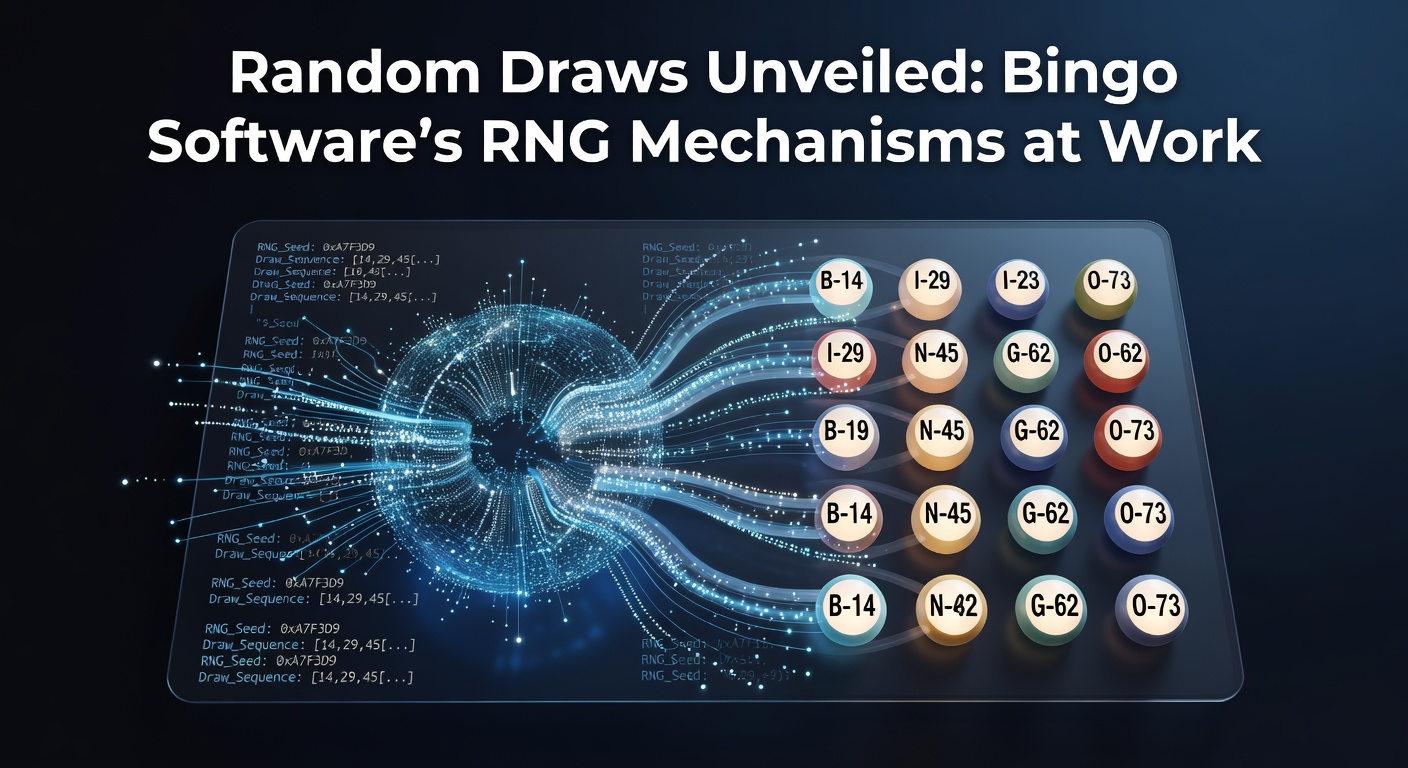
Random Number Generators, or RNGs, form the backbone of online bingo games, ensuring every draw mimics the unpredictability of physical bingo halls where balls tumble chaotically in a machine. Developers embed these mechanisms deep within bingo software, producing sequences of numbers that determine which balls get called out, and players who track the data often notice how these systems replicate real-world randomness without any human intervention. What's interesting is that modern RNGs evolved from early cryptographic tools designed for secure communications, adapting seamlessly to gaming platforms by the early 2000s as online bingo surged in popularity.
Take the case of a major bingo operator in 2023; auditors examined their RNG output over millions of draws, revealing no detectable patterns that could predict outcomes, a standard now expected across the industry. And while players might chase hot streaks or cold numbers, data from extensive testing shows each draw stands independent, with probabilities resetting every time.
Breaking Down RNG Types in Bingo Software
Pseudo-Random Number Generators, known as PRNGs, dominate bingo applications because they generate long sequences of numbers from an initial seed value using mathematical algorithms, making outputs appear random to the human eye although fully deterministic if the seed and algorithm are known. True Random Number Generators, or TRNGs, draw from physical phenomena like atmospheric noise or radioactive decay for genuine unpredictability, but bingo platforms favor PRNGs for their speed and reliability during high-traffic sessions.
Experts who dissect these systems point to algorithms like the Mersenne Twister, which churns out billions of numbers before repeating, or Linear Congruential Generators for simpler implementations; both power the virtual bingo cages where 75 or 90 balls get simulated. But here's the thing: bingo software layers additional entropy sources, such as server timestamps or user inputs, to reseed PRNGs periodically, thwarting any attempts at prediction even under rigorous scrutiny.
One study from Gaming Laboratories International (GLI), a key US-based testing firm, analyzed PRNG performance across 50 bingo titles, finding cycle lengths exceeding 2^19937 for top performers, far beyond what any player could exploit in a lifetime of games.
How RNG Drives the Bingo Experience
In a typical 75-ball bingo room, the RNG selects numbers from 1 to 75 without replacement until the game ends, shuffling the deck virtually each round so no ball holds an advantage; software then maps these to letters like B-12 or I-27 for that classic callout feel. Developers integrate RNG calls at precise intervals, often every few milliseconds during draws, while multiplayer rooms synchronize outputs across servers to prevent discrepancies that could arise from latency.
Observers note how side games like pattern bingo or jackpot chases rely on the same RNG pool, but with forked seeds to maintain independence between concurrent events. Turns out, this setup handles peak loads effortlessly; during a 2026 April promotion on a leading platform, servers processed over 10,000 simultaneous RNG draws per minute without a hitch, according to operator logs released post-event.
And for mobile bingo apps, RNGs adapt to touch-based interfaces, generating numbers on-device for solo play or pinging central servers for networked rooms, all while complying with battery-efficient protocols.
Certification Processes That Keep RNGs Honest
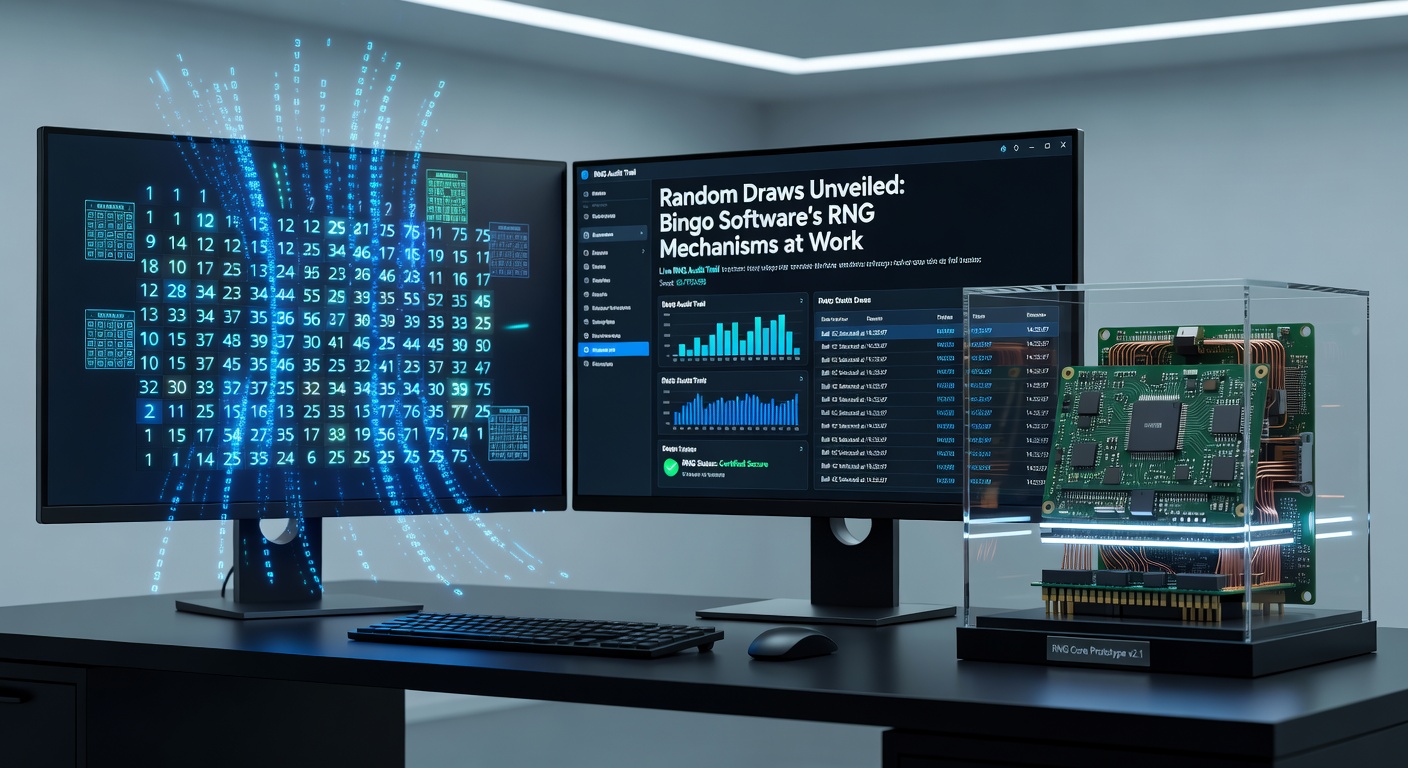
Independent labs put bingo RNGs through grueling tests, running billions of simulated draws to check for uniformity, independence, and chi-squared distribution compliance, metrics that confirm numbers spread evenly without clustering or bias. Bodies like eCOGRA in Europe and iTech Labs in Australia conduct these audits, issuing seals only after verifying scalability under stress; for instance, a recent iTech report detailed how one bingo provider's RNG withstood 100 million iterations with p-values above 0.01, signaling robust randomness.
Software must also pass source code reviews where algorithms get dissected line by line, ensuring no backdoors or manipulable parameters exist, and labs reseed with various inputs to mimic real-world chaos. People who've reviewed these processes often discover how certifications renew quarterly or after updates, keeping bingo software aligned with evolving standards.
That's where the rubber meets the road for player trust; platforms display live RNG stats or recent draw histories, letting users verify fairness themselves through publicly available hash verifications.
Global Regulations Shaping RNG Standards
Regulators worldwide mandate RNG certification as a cornerstone of licensed bingo operations, with bodies like the Malta Gaming Authority (MGA) in the EU requiring TRNG hybrids for high-stakes games and PRNGs backed by hardware entropy for others. In Canada, provincial commissions such as Ontario's iGaming oversee RNG compliance through annual audits, while Australia's ACMA enforces standards via accredited labs, fining non-compliant operators swiftly.
April 2026 brought fresh scrutiny when US state boards in New Jersey and Michigan updated RNG guidelines post a minor glitch incident, mandating dual-server verification for all draws; data from those reviews showed 99.99% uptime across audited platforms, underscoring the resilience built into these systems. Yet regulators continue pushing boundaries, with emerging rules around quantum-resistant RNGs to future-proof against advanced threats.
Industry groups like the Interactive Gaming Council reinforce this by publishing best practices, ensuring bingo software from Vancouver to Sydney adheres to uniform benchmarks.
Debunking Common RNG Myths in Bingo
Players sometimes suspect RNGs favor the house during losing streaks, but statistical analyses over millions of games reveal return-to-player rates hovering at 85-95% as advertised, with no evidence of dynamic adjustments mid-session. Another tale claims certain times yield better draws; researchers who logged draws across 24-hour cycles found uniform distribution regardless of hour, debunking circadian bias notions.
So when a bingo room hits a full house on the first few balls, it's just variance at play, not rigged mechanics; extensive logs from certified platforms confirm such events occur within predicted probabilities, about 1 in 10,000 for extreme cases. Experts emphasize transparency tools like verifiable RNG seeds, which players can check post-game to confirm integrity.
Future-Proofing RNG for Tomorrow's Bingo
Blockchain integration emerges as a game-changer, with provably fair RNGs using cryptographic commitments where draw seeds get hashed publicly before reveals, allowing retroactive verification without trusting the operator blindly. Australian innovators lead here, piloting systems where players contribute to seed pools via wallet interactions, blending community input with algorithmic power.
By April 2026, trials in EU markets showed these hybrid models reducing dispute rates by 40%, per preliminary industry reports, while quantum computing looms as the next challenge prompting algorithm upgrades. Developers respond by layering post-quantum cryptography, ensuring bingo RNGs stay unpredictable even against supercomputers.
It's noteworthy how these evolutions maintain the thrill of the unknown, keeping digital bingo as engaging as its physical roots.
Wrapping Up the RNG Reality
RNG mechanisms in bingo software deliver verifiable fairness through proven algorithms, rigorous testing, and stringent regulations that span continents, from Malta's detailed mandates to Australia's lab enforcements. Data consistently affirms their reliability, powering draws that keep millions entertained monthly without compromise. Platforms evolve these systems amid growing tech demands, as seen in April 2026's regulatory tweaks and blockchain pilots, solidifying trust in every virtual ball called. Those diving into online bingo rooms can rest assured: the randomness is real, certified, and here to stay.