How Virtual Reality Technologies Are Reshaping Social Interactions Within Online Bingo Communities
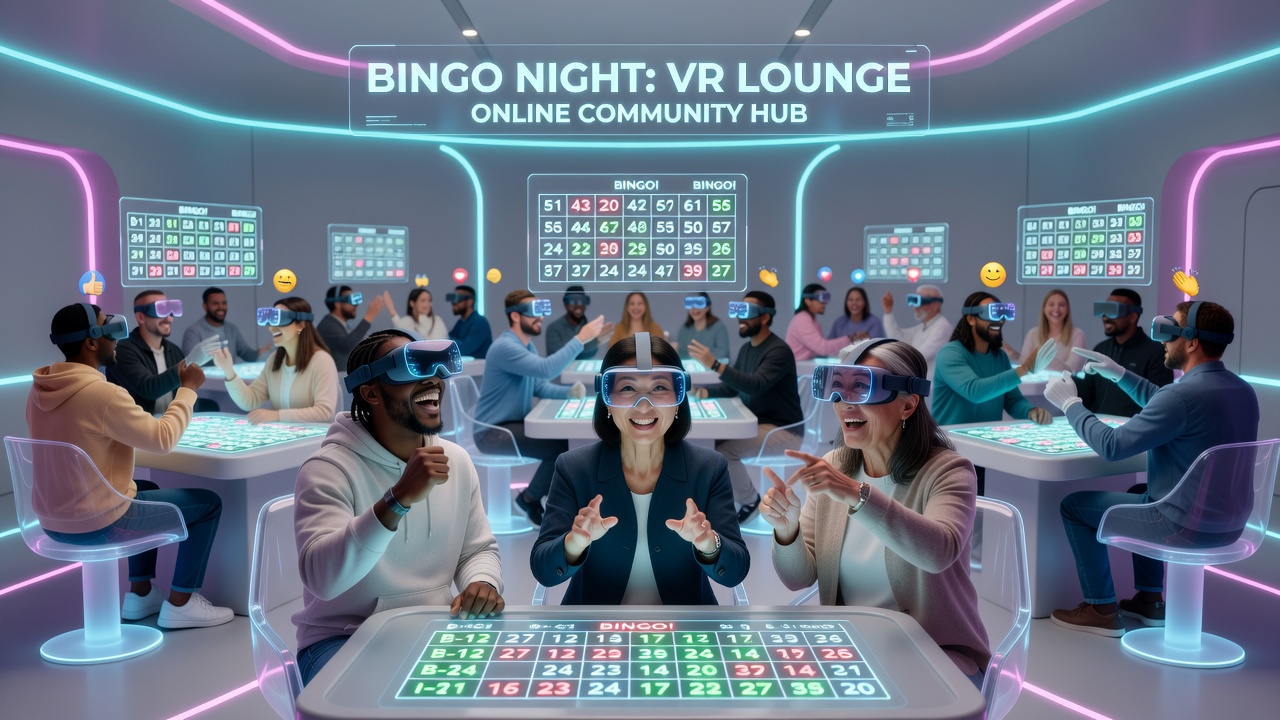
Virtual reality platforms have started to alter how players connect in online bingo environments, shifting interactions from text-based chats to immersive shared spaces where participants appear as customizable avatars. Data from industry tracking services shows that VR-enabled bingo rooms recorded increased session durations in the first half of 2026, with users spending more time in group activities compared to traditional 2D interfaces. In July 2026 several major platforms rolled out updated headsets that support synchronized gestures and spatial audio, allowing players to wave, point at numbers, or exchange virtual items during draws.
Technological Foundations Driving Change
Developers integrated motion tracking and real-time rendering engines into bingo software, which created environments where multiple users occupy the same virtual table. These systems rely on low-latency networks to maintain synchronized number calls while participants move freely around the room. Researchers at the University of Nevada, Las Vegas International Center for Gaming Regulation documented how spatial audio cues help players identify who is speaking without visual overload, reducing the isolation reported in earlier text-only versions.
Hardware improvements such as lighter headsets and better hand controllers enabled longer play periods without physical strain. Software updates in early 2026 introduced shared whiteboards where groups could mark patterns together, turning solitary number matching into collaborative tasks. Observers note that these features emerged first in markets with established fiber infrastructure before spreading to mobile VR users through cloud rendering.
Shifts in Player Communication Patterns
Traditional bingo chat boxes limited exchanges to short messages, whereas VR environments support voice, body language, and proximity-based conversations. Players now form clusters around specific tables, and conversations continue between rounds without resetting. Studies from Canadian research groups indicate that avatar customization options correlate with higher rates of repeated logins, as users develop recognizable identities within their communities.
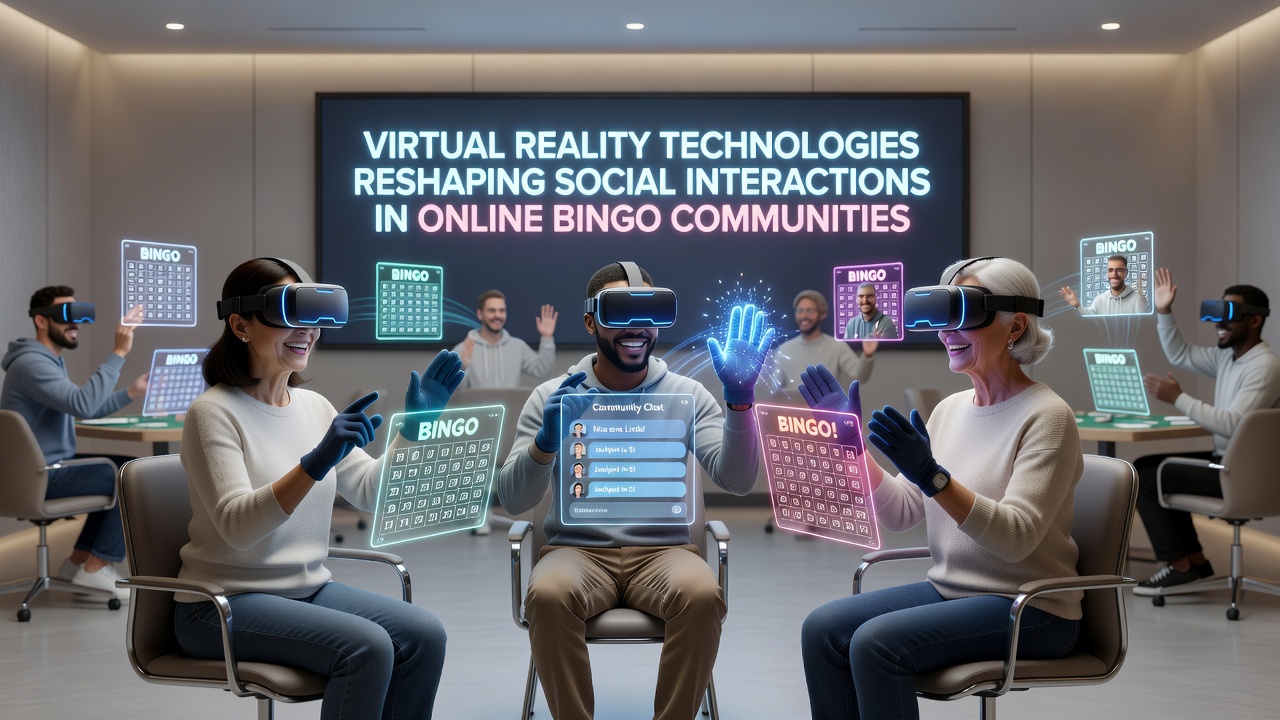
Groups that once coordinated through external forums now handle invitations and strategy discussions inside the virtual space itself. One documented case involved a multi-timezone team that met nightly in a VR lobby to review past draws and adjust number selection habits. Spatial features let members point at cards or demonstrate patterns, which replaced the need for lengthy text explanations.
Community Building and Group Dynamics
Virtual rooms replicate physical hall atmospheres through background sounds, lighting changes, and seasonal decorations that update automatically. Participants report forming recurring social circles that extend beyond single sessions, with some groups organizing virtual after-draw meetups. Industry reports compiled by the European Gaming and Betting Association show that these persistent groups contribute to steadier participation rates across platforms.
Moderation tools evolved alongside the technology, allowing hosts to manage crowd density and mute disruptive avatars without removing them from the shared environment. Newcomers receive guided tours through interactive elements, which accelerates onboarding compared to static tutorials. Data collected in mid-2026 revealed that players using voice features exchanged contact information more frequently than those limited to text, although privacy settings remain adjustable per user preference.
Geographic and Demographic Reach
VR bingo adoption expanded beyond early adopter regions as internet speeds improved in rural areas. Platforms adjusted server locations to reduce lag for participants in Australia and parts of Asia, where regulatory frameworks permit virtual gaming trials. Figures from regional monitoring agencies indicate that users aged 35 to 54 represent the fastest-growing segment, drawn by the social layer that distinguishes VR sessions from solo mobile play.
Cross-border events scheduled for July 2026 brought together players from multiple continents in themed rooms celebrating international holidays. These gatherings rely on standardized avatar formats so that cultural clothing options display correctly across different headset brands. Coordination between developers and local regulators helped address latency concerns before large-scale launches.
Conclusion
Virtual reality continues to expand the range of social options available inside online bingo settings through improved hardware, spatial interfaces, and persistent community tools. Tracking data from 2026 shows measurable increases in interaction time and group formation where these features operate. Future updates will likely refine gesture recognition and cross-platform compatibility, further embedding VR as a standard layer within digital number-draw networks.