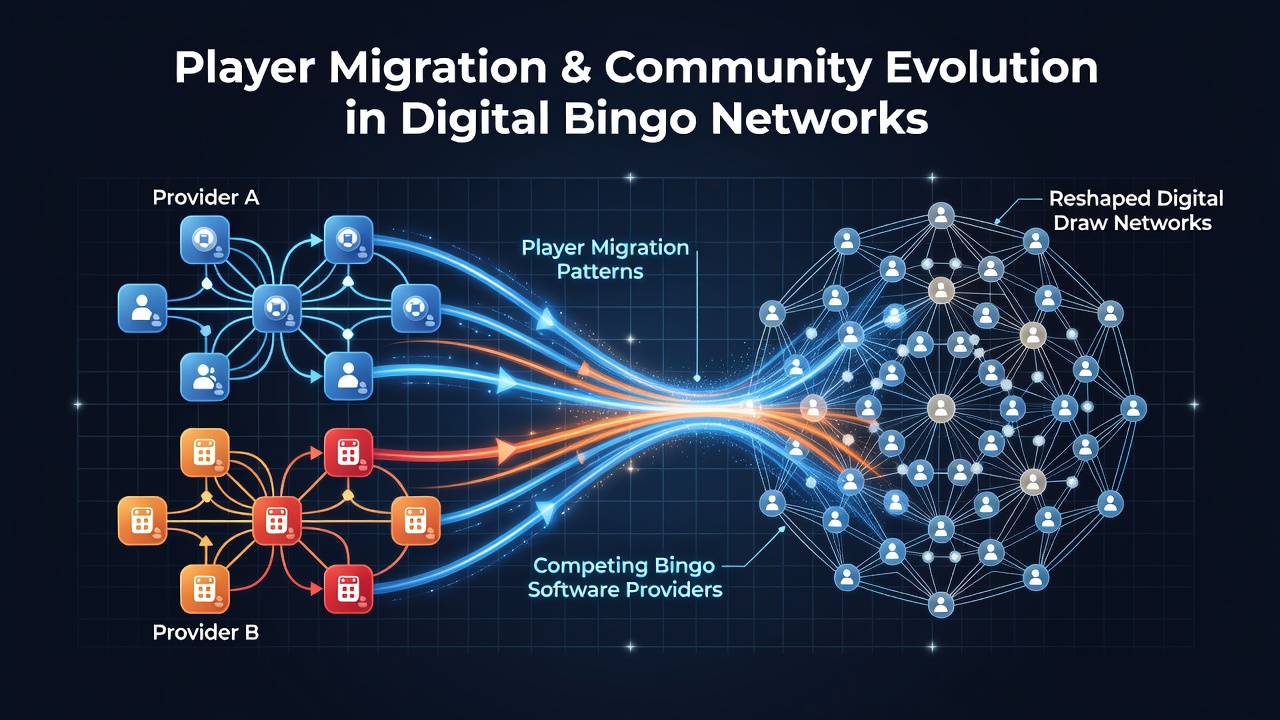
How Player Migration Patterns Between Competing Bingo Software Providers Reshape Community Structures in Digital Draw Networks
Player movement between bingo software platforms has accelerated in recent years as operators compete on features, payout speeds, and community tools, and this shift directly influences how digital draw networks form and evolve. Migration occurs when users switch providers due to interface changes, bonus structures, or social features, and observers note that these transitions often fragment existing groups while creating new ones centered around different technical ecosystems.
Drivers Behind Player Shifts Across Platforms
Research indicates that updates to random number generator transparency, mobile compatibility, and chat integration prompt many users to explore alternatives, while data from industry reports shows seasonal peaks in July 2026 when several major providers rolled out cross-device synchronization tools. Those who study these patterns find that players frequently test multiple systems simultaneously before committing, which creates temporary overlaps in community participation across networks.
Software differences in latency handling and draw frequency also play a role, and experts have observed that networks with faster result verification tend to attract users from slower systems during high-volume periods. According to findings shared by the American Gaming Association, migration rates climbed noticeably in mid-2026 as providers introduced loyalty programs tied to specific draw algorithms.
Effects on Group Dynamics and Network Formation
Community structures reorganize when core groups migrate together, yet many networks experience splintering as individuals branch out to test competing interfaces. This redistribution alters chat room hierarchies and shared strategy discussions, since participants bring habits from their previous platforms into new environments. Studies from academic sources reveal that established player alliances often dissolve when key members depart, forcing remaining users to adapt or seek similar groups elsewhere.
Digital draw networks rely on consistent participation levels to maintain active rooms, and sudden influxes from migrating players can overload moderation systems or shift conversation tones. Those who've tracked these changes report that some networks develop hybrid cultures incorporating elements from multiple software origins, while others reinforce strict boundaries based on the dominant provider's rules.
Software Features That Influence Retention and Departure
Providers differentiate themselves through unique matchmaking algorithms and social overlays, and these distinctions determine whether communities stabilize or continue cycling through options. Players respond to variations in how draws are presented and how winnings are displayed, which leads to preferences that reshape group composition over time. Evidence suggests that platforms offering deeper customization for number selection patterns retain users longer, whereas those with rigid interfaces see higher turnover.
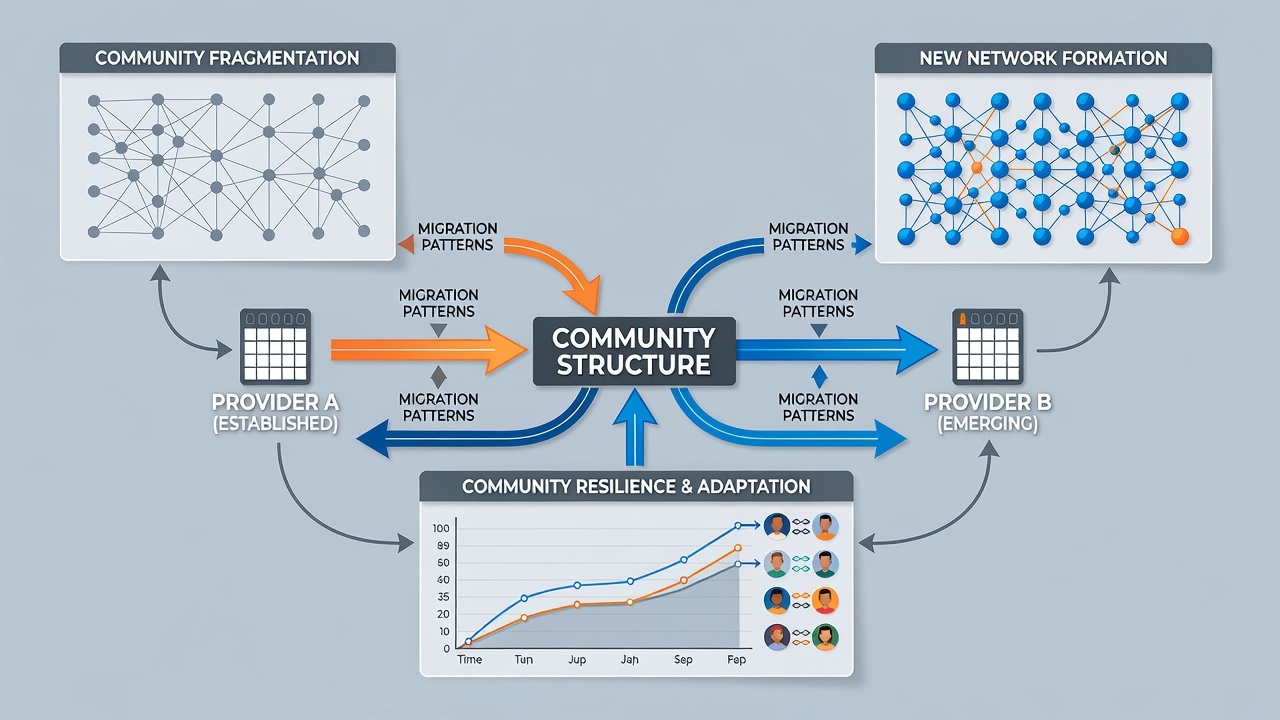
One documented case involved a large draw network that lost a significant portion of its evening participants after a rival introduced enhanced voice chat, and the original group responded by forming smaller satellite rooms on the new platform. Such movements demonstrate how technical upgrades can pull entire sub-communities across boundaries in a matter of weeks.
Regional Patterns Observed in 2026 Data
Figures compiled through mid-2026 show stronger migration activity in North American networks compared to European ones, largely because of differing regulatory approaches to software certification. Australian research centers have documented parallel trends where players follow promotions across providers, and this behavior creates temporary spikes in cross-network activity during promotional windows. Observers note that July 2026 brought additional movement as several providers synchronized their summer event calendars, prompting users to sample multiple systems within the same week.
These regional differences highlight how local rules around data portability and user accounts affect the ease of switching, and networks in more permissive jurisdictions tend to experience faster community turnover. The result is a constantly adjusting map of player affiliations that reflects both software capabilities and regulatory environments.
Conclusion
Migration patterns between bingo software providers continue to redefine how digital draw communities organize and interact, with technical features, seasonal events, and regulatory differences serving as primary catalysts. Data collected through 2026 illustrates ongoing redistribution of participants across networks, and those monitoring these shifts expect further evolution as providers refine their offerings. The structures that emerge reflect both the competitive landscape and the adaptive behaviors of users navigating multiple systems.