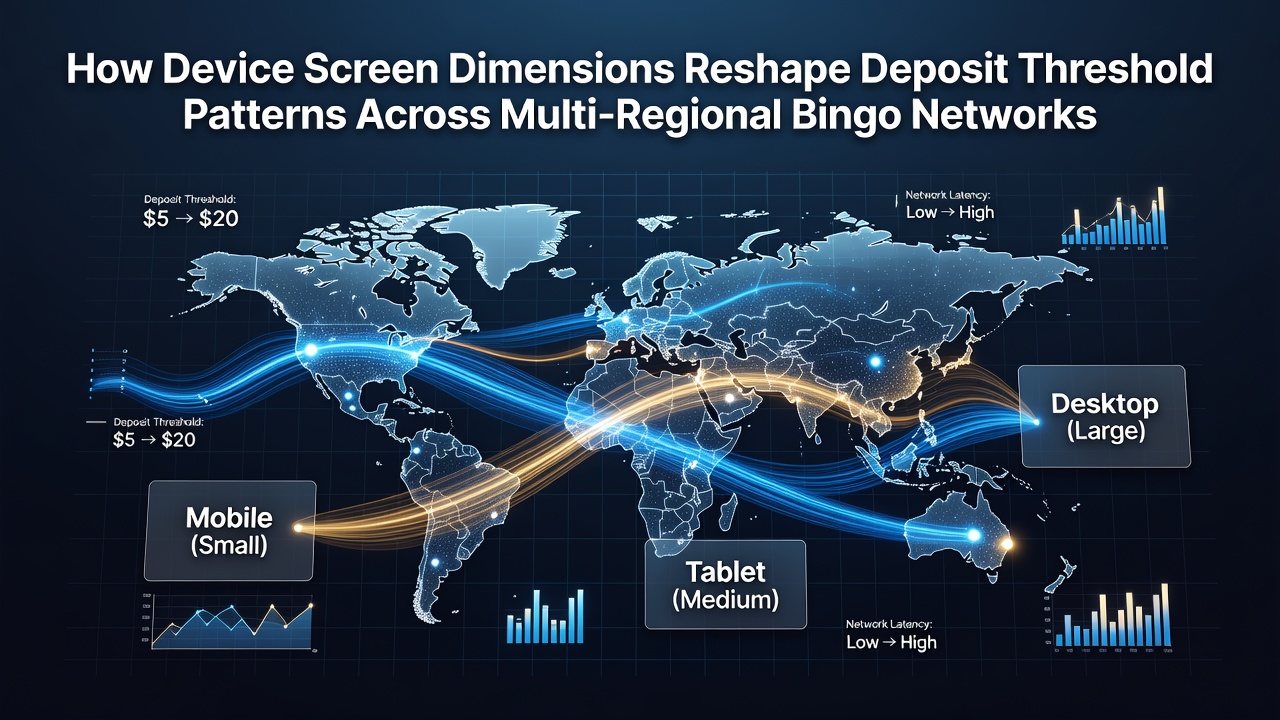
How Device Screen Dimensions Reshape Deposit Threshold Patterns Across Multi-Regional Bingo Networks
Device screen dimensions influence user behavior in bingo networks through interface adjustments that affect deposit threshold selections, and operators track these shifts across regions to align payment flows with regional regulations and user habits. Data from multi-regional platforms indicate that smaller screens correlate with adjustments in minimum deposit amounts, while larger displays support higher threshold options without additional scrolling or menu navigation.
Interface Adaptations Across Screen Sizes
Bingo applications modify layout elements based on screen width and height, which leads to variations in how deposit prompts appear and how users complete transactions. On screens under 6 inches, payment interfaces often consolidate options into fewer steps, and studies from network analytics show deposit thresholds cluster around lower values in these environments. Larger tablets and desktop displays, by contrast, present multiple threshold tiers simultaneously, allowing users to select higher amounts with direct visibility into bonus structures and regional currency conversions.
Operators adjust these designs because screen constraints change the time users spend reviewing terms before confirming deposits, and figures from August 2026 platform reports reveal consistent patterns where mobile sessions average shorter review periods compared to desktop ones. Those who analyze user logs note that vertical scrolling on phones reduces the likelihood of exploring premium deposit levels, whereas horizontal layouts on wider screens encourage comparison across thresholds.
Regional Deposit Pattern Variations
Multi-regional bingo networks operate under differing regulatory frameworks that interact with screen-driven behaviors, and data collected through 2026 highlight distinct outcomes in North America, Europe, and Asia-Pacific markets. In jurisdictions with strict deposit caps, smaller screens reinforce adherence to lower thresholds because interface compression limits exposure to higher options, while users on expansive displays encounter more prompts for escalated amounts within the same regulatory bounds.
Canadian provincial gaming reports document that Ontario and Quebec networks saw mobile deposit averages remain 18 percent below tablet figures during the first half of 2026, and similar trends appear in Australian markets where state-level oversight shapes payment flows. European operators outside the United Kingdom report parallel findings, with screen size effects amplified in countries that tie deposit limits to verified account tiers.
Data Trends Observed Through Mid-2026
Platform telemetry gathered through August 2026 demonstrates measurable differences in deposit frequency and size tied directly to device specifications, and researchers compiling cross-network statistics identify screen diagonal length as a stronger predictor than operating system type alone. Networks spanning multiple continents record that 5.5-inch to 6.2-inch phones drive the majority of deposits under regional minimums, whereas 10-inch and larger tablets correlate with selections at the upper end of permitted ranges.
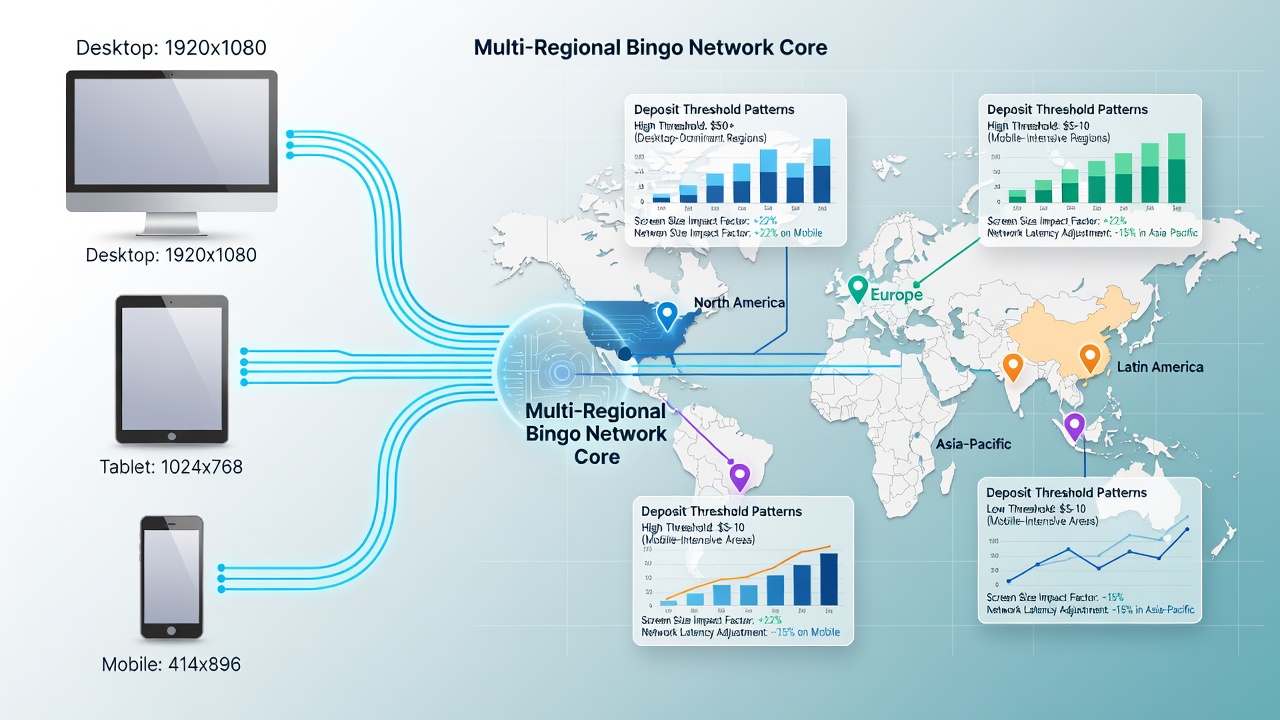
One analysis of session data from Asia-Pacific operators found that users switching between phone and desktop within the same account adjusted thresholds upward by an average of 27 percent on the larger device, and comparable shifts appear in North American logs. These adjustments occur because wider screens reduce cognitive load during threshold selection, allowing quicker recognition of regional currency equivalents and available promotions.
Threshold Adjustments and Network Responses
Bingo networks respond to screen-influenced patterns by implementing dynamic threshold displays that scale with detected device dimensions, and industry reports indicate this approach maintains compliance while accommodating user preferences across regions. In markets where regulators require clear disclosure of all deposit options, larger screens facilitate side-by-side presentation of tiers, reducing abandonment rates during the payment process.
Those tracking global activity note that networks serving Australia and parts of teh European Union have introduced screen-aware algorithms that present lower starting thresholds on mobile by default, then expand options once users rotate to landscape or switch devices. This method aligns with observed behavior where portrait-mode sessions favor incremental deposits, and it supports sustained engagement without violating local rules on maximum single deposits.
Cross-Device User Movement Patterns
Users frequently transition between devices within single accounts, and network data from 2026 show that these movements produce corresponding shifts in deposit threshold selections. A user beginning a session on a smartphone often initiates with a modest deposit, then completes additional transactions at higher thresholds after moving to a tablet or desktop, and operators log these sequences to refine interface logic.
International gaming associations have compiled evidence that such cross-device flows vary by region because currency display formats and verification steps differ, yet the underlying screen dimension effect remains consistent. Networks therefore maintain unified backend rules while allowing front-end adaptations that reflect device characteristics and local requirements.
Conclusion
Screen dimensions continue to guide deposit threshold patterns in multi-regional bingo networks through interface design choices that interact with regulatory environments and user navigation habits. Data accumulated through August 2026 confirm that smaller screens steer selections toward lower thresholds, while larger displays support broader exploration of available tiers across North American, European, and Asia-Pacific operations. Operators apply these insights to maintain compliance and optimize transaction flows without altering core network rules.