How Cultural Symbols Influence Number Selection Patterns Across Global Digital Bingo Platforms
Digital bingo platforms operate across multiple continents and draw players from varied cultural backgrounds, which creates measurable differences in how individuals select numbers during gameplay. Research from academic institutions shows that symbols tied to luck, prosperity, or avoidance shape these choices, and platforms record distinct patterns when data is segmented by geographic region or user origin.
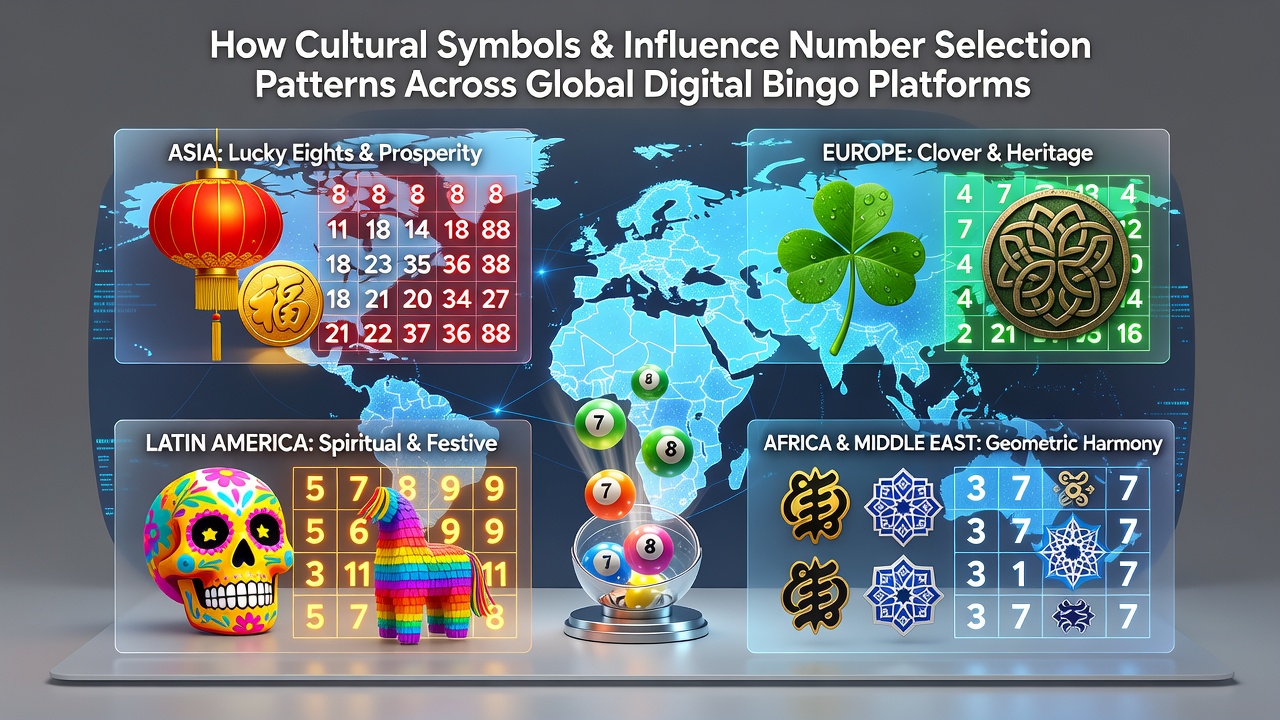
Numbers carry symbolic weight in many societies, and this extends directly into online environments where players pick their cards or mark draws. In East Asian markets, the number eight appears with higher frequency because it aligns with traditions associating it with wealth and good fortune, while four sees reduced selection rates due to its phonetic link to death in several languages. Platforms serving these audiences report that such preferences persist even when random number generators determine outcomes, because users often override automated suggestions to align with personal beliefs.
Regional Variations in Number Preferences
European users demonstrate different tendencies, with seven frequently chosen for its historical ties to completeness and good luck across multiple countries. Thirteen, by contrast, registers lower engagement rates in Western markets where avoidance of that figure remains common. Data collected through June 2026 indicates that these patterns hold steady across major platforms despite the neutral mechanics of digital draws, suggesting that cultural conditioning influences decision-making before any algorithm activates.
Additional regions contribute their own layers. Middle Eastern and South Asian participants often favor sequences connected to religious or astrological significance, such as multiples of seven or numbers appearing in traditional calendars. Observers tracking activity on cross-border platforms note that these selections cluster during specific periods, including festivals that emphasize symbolic renewal or protection. Such timing creates predictable spikes that operators can map against broader user behavior logs.
Platform Adaptations and Data Insights
Many operators now incorporate optional filters or highlighted suggestions based on detected user location or stated preferences, though core random generation remains unchanged. A study published by researchers at the University of Nevada Reno examined transaction logs from international bingo sites and found that cultural number biases produce statistically significant deviations from pure randomness in player-initiated selections. These findings appear in reports that separate user cohorts by primary language and payment method, revealing consistent trends across thousands of sessions.
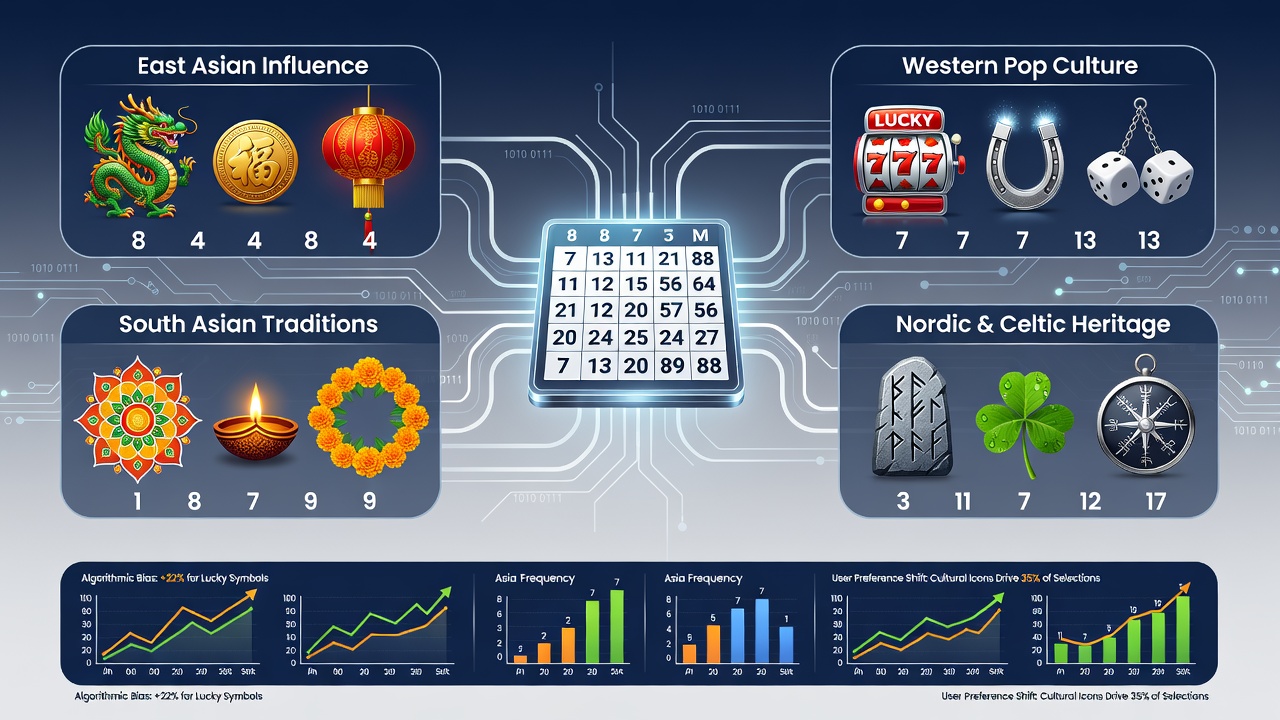
North American and Australian markets display their own clusters around numbers like three and nine, which hold meaning in indigenous and colonial folklore traditions. Government agencies in Canada, including the Alcohol and Gaming Commission of Ontario, have published aggregate activity summaries that align with these observations when cross-referenced against platform telemetry. The reports emphasize that while regulatory frameworks focus on fairness and responsible play, the underlying human choices reflect deeper symbolic frameworks that predate digital bingo.
Interface designs sometimes accommodate these tendencies by surfacing culturally resonant numbers more prominently during card customization, yet studies confirm that players retain full control over final selections. When platforms introduce seasonal events in June 2026 tied to global holidays, participation logs show temporary shifts in number frequency that mirror the cultural calendar of dominant user groups at that time.
Interaction Between Technology and Tradition
Random number generators ensure equal probability for every draw, but they do not dictate how users build their cards beforehand. Industry reports from the European Gaming and Betting Association document that educational pop-ups explaining probability have limited impact on established selection habits. Users continue to favor numbers that carry personal or communal significance, creating layered data sets that analysts use to refine marketing and retention tools without altering game integrity.
Cross-device play adds another dimension, as mobile users in regions with strong oral storytelling traditions often share preferred numbers within social circles before logging in. This communal reinforcement sustains certain patterns even as new players join. Figures from multiple operators indicate that repeat engagement rises when platforms allow quick recall of previously favored combinations, suggesting that cultural continuity supports longer session durations.
Conclusion
Cultural symbols continue to shape number selection across global digital bingo platforms in measurable ways, with data from June 2026 and earlier periods confirming persistent regional differences. Regulatory bodies and academic researchers track these trends through anonymized logs, providing insight into how tradition intersects with modern gaming systems. Platforms respond by maintaining neutral mechanics while acknowledging user preferences through optional features, preserving both fairness and cultural resonance in the process.