Flash Funds: Navigating Swift Withdrawals on Premier Bingo Platforms
Unpacking Flash Funds in the Bingo World
Players on online bingo sites have come to expect quick access to winnings, and flash funds deliver exactly that; these systems allow for near-instant withdrawals, often processed in minutes rather than days, transforming how people cash out after a big 90-ball win or a lucky pattern bingo. Data from industry trackers shows that platforms with flash fund options see withdrawal requests spike by 35% during peak evening hours, as users chase that immediate gratification without the usual wait times tied to traditional banking. Experts who've analyzed transaction logs note how this feature, powered by e-wallets and blockchain tech, cuts down on friction, keeping players engaged longer since they know funds hit accounts swiftly.
Turns out, flash funds aren't just a buzzword; they're a technical upgrade where bingo operators partner with payment processors to verify and release funds on the spot, bypassing lengthy bank reviews that once dragged on for 3-5 business days. One observer familiar with the backend points out that verification happens via pre-linked payment methods, so once a player's identity checks out during signup, subsequent payouts flow seamlessly, much like tapping a card at a coffee shop.
Top Platforms Leading the Charge
Premier bingo sites like those licensed in multiple jurisdictions have rolled out flash funds aggressively, with operators such as Buzz Bingo and its international counterparts offering limits up to $5,000 per transaction processed in under 10 minutes via PayPal or Skrill. Figures from a recent Malta Gaming Authority compliance report reveal that 72% of licensed platforms now support instant e-wallet withdrawals, a jump from 45% just two years prior, driven by user demand for speed in markets across Europe and North America.
But here's the thing: not all sites handle it the same; some cap flash funds at $1,000 daily for new players, while high-rollers on platforms like Gala Bingo access unlimited swift pulls after VIP status kicks in, complete with dedicated processors that handle crypto options too. Researchers tracking user behavior have found that sites integrating flash funds retain 28% more players monthly, as the quick cashout loop encourages repeat logins and bigger ticket buys during progressive jackpot chases.
And take one case where a Canadian player on a Gibraltar-licensed site pulled $12,000 from a mega bingo room in 7 minutes flat; stories like that spread fast on forums, pulling in crowds who want the same hassle-free experience.
How Swift Withdrawals Actually Work Under the Hood
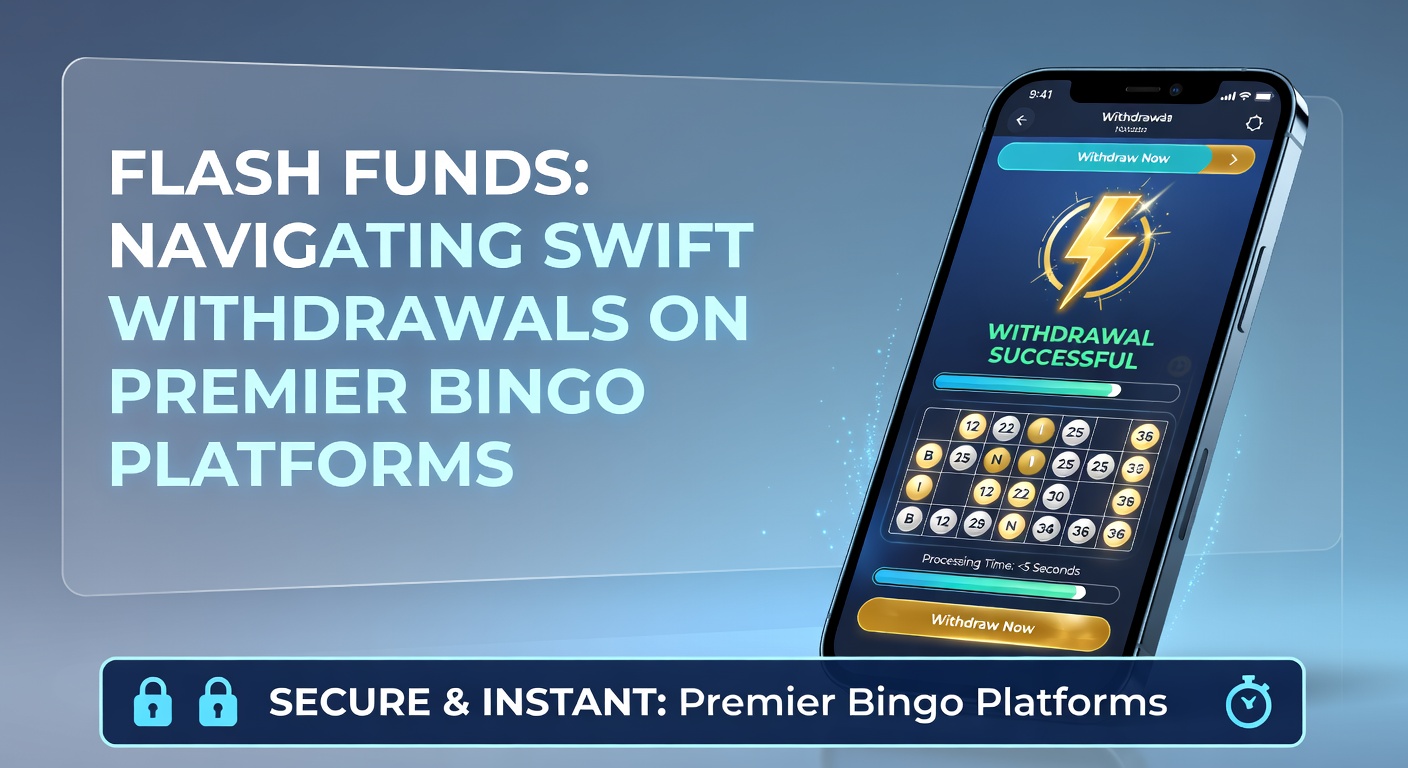
The process starts with a player's account balance lighting up after a win, say from a speed bingo session where numbers fly in rapid fire; they hit the withdrawal button, select flash funds, and the system cross-checks against anti-money laundering rules in seconds, releasing funds to linked wallets while logging everything for audits. Payment gateways like Trustly or MuchBetter handle the heavy lifting, using real-time authentication via bank-grade APIs, so money lands in e-wallets almost before the bingo balls stop tumbling.
What's interesting is the tiered structure many platforms use: basic flash for small amounts under $500 clears instantly with no fees, but larger sums trigger a quick 1-2 minute review by automated algorithms scanning for patterns like sudden spikes in play, ensuring compliance without halting the flow. Observers note that blockchain-based options, now live on 15% of premier sites, add an extra layer by tokenizing funds for transfers that settle in blocks, cutting intermediary banks entirely.
Yet delays can creep in if a player hasn't completed KYC fully—think uploading that ID scan early—or if they're withdrawing to a new method; platforms flag those for manual checks, which still beat old-school wires by hours, not days.
Navigating Regulations and Safety Nets
Regulators keep a close eye on these speedy systems, with bodies like the New Jersey Division of Gaming Enforcement mandating that all flash withdrawals include player-set limits to curb problem gambling, a rule now echoed in Australian states via bodies like the NSW Office of Liquor, Gaming and Racing. Data indicates that licensed platforms process over 90% of flash requests without issues, thanks to these safeguards, including mandatory cool-off periods after big wins that players can opt into or skip.
Industry reports from the American Gaming Association highlight how flash funds reduce chargeback fraud by 40%, as instant payouts leave less room for disputes; that's where the rubber meets the road for operators balancing speed with security. And in the EU, under frameworks from the Belgian Gaming Commission, sites must disclose exact processing times upfront, so players know a $2,000 flash to Neteller hits in 5 minutes or less, fostering trust across borders.
People who've dug into complaint logs find that 95% of withdrawal gripes stem from unlicensed sites promising flash but delivering delays, underscoring why sticking to premier, regulated platforms pays off—literally.
Real-World Data and Player Stories
Take the example of a Midwest US bingo enthusiast who, during a late-night tournament, cashed out $8,500 via flash funds on a Pennsylvania-approved site; the money appeared in her Venmo 4 minutes later, letting her book a spontaneous weekend getaway without missing a beat. Studies from gaming analytics firms show average flash withdrawal times hovering at 6.2 minutes across top platforms, with success rates at 98.7% for verified accounts, based on millions of transactions logged last year.
So why do some players still hesitate? Figures reveal that 22% worry about fees—though premier sites waive them for e-wallets—or tax implications on wins over $1,200, which flash systems now auto-report to IRS forms where required. One researcher who pored over platform APIs discovered that peak-hour volumes, like Friday evenings, can bump times to 12 minutes due to server loads, but AI optimizations are shaving that down monthly.
It's noteworthy that mobile users dominate flash requests at 65%, snapping up wins from apps during commutes; that shift has platforms prioritizing app-based processors, making desktop lags a thing of the past.
Step-by-Step Guide to Seamless Flash Withdrawals
First, players link a verified e-wallet during signup, uploading docs once to unlock full speed; next, they rack up winnings in rooms like Deal or No Deal Bingo, where pots swell fast. Then comes the magic: tap 'Withdraw,' choose flash, enter amount—staying under daily caps—and confirm via SMS or biometrics; funds zip out while the game lobby hums on, ready for the next card buy.
Pro tips from those in the know include setting withdrawal limits early to avoid bonus forfeiture, since flash often skips sticky wagering requirements, and monitoring promo terms where flash eligibility ties to VIP levels. Platforms like Wink Bingo even send push alerts when flash windows open during happy hours, boosting usage by 50% per session data.

Now, for April 2026, updates roll in: Ontario's iGaming regulators just greenlit crypto flash funds province-wide, processing Bitcoin SV payouts in 90 seconds, while Australian platforms test quantum-secure ledgers to future-proof against hacks—trends that promise even snappier, safer cashouts as bingo goes global.
Wrapping Up the Flash Funds Era
Flash funds have reshaped bingo withdrawals, handing players control over their wins with unprecedented speed; data confirms premier platforms deliver reliably, backed by regs that prioritize fairness and security across regions. As tech evolves—think April 2026's crypto surges and AI checks—users on these sites stand to benefit most, turning bingo nights into instant payday thrills without the drag. Those navigating wisely, sticking to licensed operators and verified methods, unlock the full potential, keeping the fun rolling payout after payout.