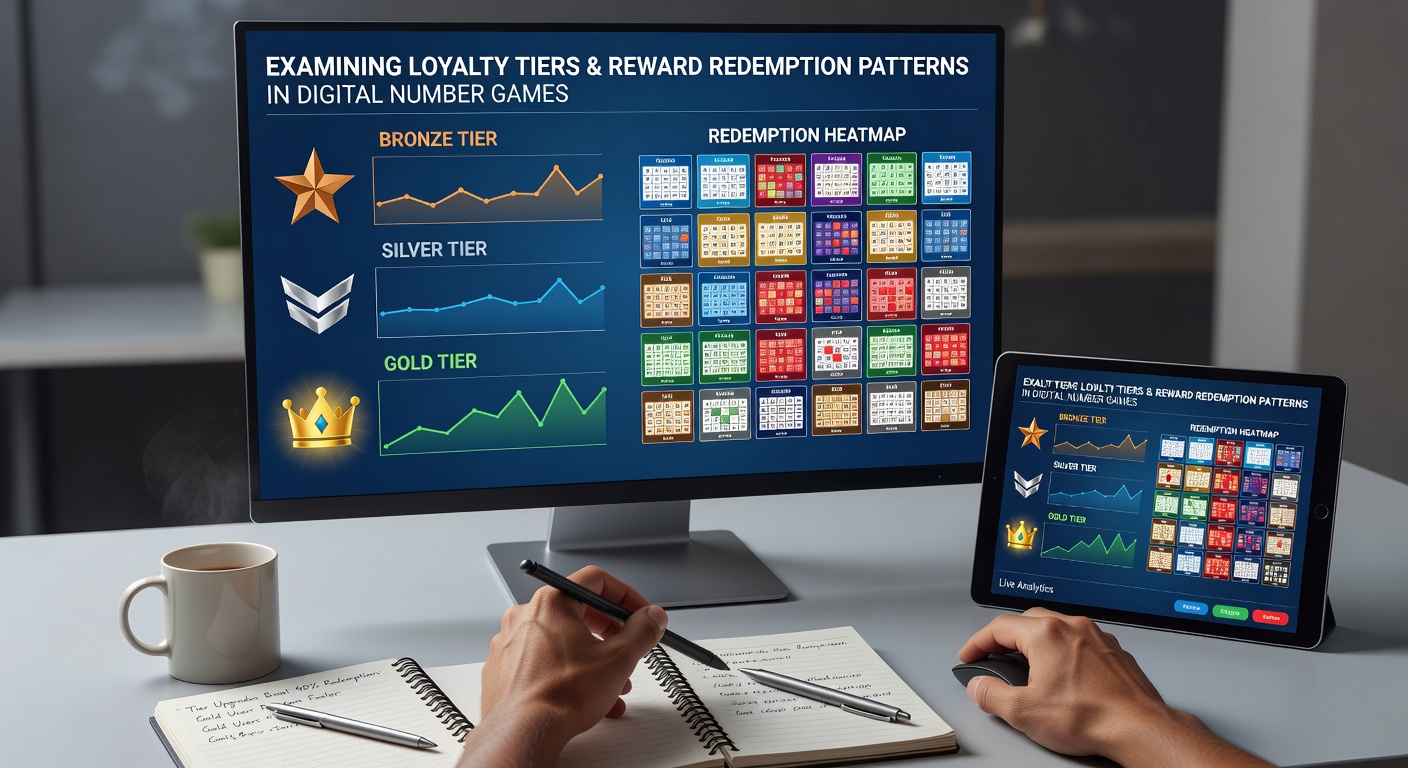
Examining Loyalty Tiers and Their Effects on Reward Redemption Patterns in Digital Number Games
Loyalty tiers in digital number games operate as structured progression systems that categorize participants according to their cumulative activity, and these frameworks directly shape how players redeem accumulated rewards across various prize categories. Platforms segment users into levels such as bronze, silver, gold, and platinum based on metrics including games played, total wagers, and session frequency, while each tier unlocks distinct redemption options and multiplier bonuses that alter decision patterns observed in user data. Researchers tracking platform analytics note that entry-level participants tend to favor immediate small-value redemptions such as bonus credits or free game entries, yet higher-tier members shift toward larger experiential rewards including merchandise or event access. This behavioral divergence emerges because elevated tiers often provide accelerated point accrual rates that encourage users to accumulate balances before cashing out, and data collected through 2025 into May 2026 shows consistent growth in deferred redemptions among platinum-level accounts.Tier Structures and Point Mechanics
Digital number game operators implement tier systems with clear qualification thresholds that reset periodically, and these mechanics create predictable cycles in redemption activity. Bronze participants receive baseline conversion rates where 100 points equal a fixed credit amount, while silver and above gain access to tier-exclusive catalogs featuring higher-value items at improved ratios. Observers note that point expiration policies tighten or loosen depending on tier status, and this variable directly impacts whether users redeem promptly or maintain balances for future opportunities.
Studies from academic institutions such as those affiliated with the University of Nevada Reno have documented how tier advancement correlates with changes in redemption timing, and participants who reach gold status exhibit longer holding periods before converting points. The structure rewards consistent engagement through milestone bonuses that further differentiate redemption behavior between casual and dedicated users.
Redemption Pattern Variations Across Tiers
Analysis of transaction logs reveals distinct patterns where lower-tier players complete redemptions more frequently yet in smaller increments, whereas premium members concentrate activity around promotional windows that align with bonus multipliers. During May 2026 seasonal campaigns several major platforms recorded spikes in high-tier redemptions for travel-related prizes, and this timing preference reflects how loyalty structures guide users toward strategic rather than impulsive conversions.
Industry reports compiled by the Ontario Lottery and Gaming Corporation indicate that gold and platinum participants account for disproportionate shares of experiential reward claims even though they represent smaller user segments. These patterns hold across bingo-style number games where daily draws and progressive jackpots feed into the same loyalty ecosystems, and the data demonstrates that redemption velocity increases with tier elevation when combined with personalized offers.

Influencing Factors and Platform Adjustments
External elements including regulatory updates, seasonal events, and cross-promotional partnerships modify how tiers affect redemption choices, and operators respond by adjusting catalog availability or point values to balance system economics. Canadian provincial data shows that when platforms introduced tier-specific flash sales in early 2026, redemption volumes in upper tiers rose measurably while lower tiers maintained steady small-item patterns. Those who study these systems observe that communication channels such as in-app notifications and email sequences further amplify tier-based differences by surfacing relevant options at optimal moments.
Geographic variations appear in redemption preferences as well, with European markets showing stronger uptake of digital goods among mid-tier users compared to North American emphasis on physical prizes. The Netherlands Gambling Authority has tracked similar tier effects within licensed number game environments, confirming that higher loyalty status consistently correlates with diversified redemption portfolios rather than repeated selection of the same reward types.
Conclusion
Loyalty tier frameworks in digital number games establish clear pathways that influence reward redemption timing, volume, and category selection, and continued monitoring through 2026 reveals stable yet evolving patterns tied to these structures. Platform operators refine tier benefits and communication strategies in response to observed behaviors, while regulatory bodies across multiple jurisdictions maintain oversight of how these systems operate within broader responsible gaming guidelines. The interplay between tier status and redemption decisions remains a central element in understanding participant engagement across online number game environments.