Device fragmentation patterns reshaping reward timing across portable number draw networks
Device fragmentation has emerged as a significant factor in how operators manage reward delivery within portable number draw networks, where players access games through smartphones, tablets, and hybrid devices running multiple operating systems. Data collected through mid-2026 shows that Android devices account for roughly 72 percent of active sessions in global markets, yet iOS users complete reward redemptions at noticeably different intervals due to variations in push notification handling and background processing limits. These differences create distinct activity clusters that operators track through analytics platforms.Patterns in device distribution and session behavior
Industry observers track fragmentation across screen sizes, OS versions, and network conditions because each combination alters how quickly players receive and act on timed rewards. In July 2026 reports from the American Gaming Association, sessions on devices with older Android versions averaged 14 minutes longer before reward prompts appeared compared with newer hardware running optimized builds. Tablet users, meanwhile, showed higher rates of evening engagement peaks that diverged from smartphone patterns by as much as three hours in certain regions.
Researchers compiling data across North American and European markets noted that 5G connectivity reduced latency for reward synchronization on flagship devices, while 4G and Wi-Fi users experienced staggered delivery windows that affected participation rates in time-sensitive draws. This variation prompted network operators to segment reward schedules by detected device profiles rather than applying uniform timing across all accounts.
How operating system constraints influence reward delivery
Apple's background refresh policies and Google's evolving notification channels produce measurable shifts in when users see available rewards. Studies from the Interactive Games and Entertainment Association in Australia indicated that iOS devices processed in-app reward notifications with a median delay of 47 seconds under low-power mode, whereas Android devices on similar battery settings averaged 19 seconds. These technical differences force operators to adjust the intervals between draw results and reward availability to maintain consistent user response across platforms.
Regional variations adn infrastructure factors
European operators reported similar fragmentation effects tied to carrier-specific data throttling, which delayed reward synchronization for users on certain networks during peak hours. Canadian regulatory filings from the same period revealed that rural device users on older hardware encountered reward timing offsets of up to two minutes, prompting some platforms to introduce device-aware buffering systems. Observers note that these adjustments help stabilize redemption rates without requiring separate reward pools for each hardware category.
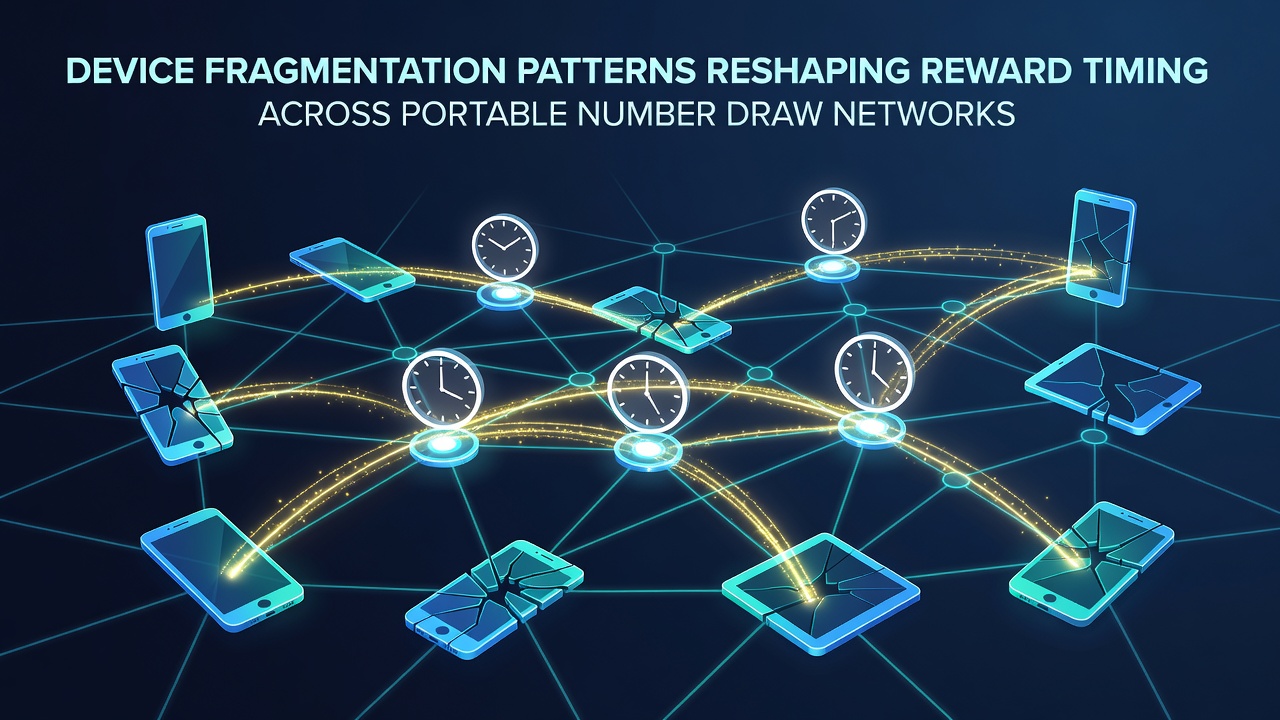
Operator responses and technical adaptations
Network administrators have implemented device fingerprinting techniques to map fragmentation patterns and calibrate reward timing accordingly. According to figures released by the European Gaming and Betting Association, platforms that adopted adaptive scheduling saw a 9 percent increase in cross-device participation consistency during the first half of 2026. These systems detect screen resolution, OS build, and connection type at login, then route users into timing cohorts that align reward notifications with typical device behavior.
One documented case involved a multi-market operator that adjusted reward windows for mid-range Android tablets after internal logs showed delayed claim rates compared with flagship phones. The change involved extending the claim window by 90 seconds for that segment, which brought redemption completion rates in line with other device groups within four weeks.
Future implications for network design
Analysts expect continued growth in device variety as foldable screens and emerging operating systems enter mainstream use. Data from university research groups tracking portable gaming trends suggests that reward timing algorithms will incorporate machine learning models trained on per-device latency histories to predict optimal delivery moments. Such models already appear in pilot programs run by several large networks, where preliminary results show reduced variance in daily active user retention across hardware types.
Conclusion
Device fragmentation continues to drive refinements in how portable number draw networks structure reward timing, with operators relying on segmented data to maintain equitable access across hardware profiles. Reports through July 2026 demonstrate that technical adaptations based on observed patterns produce measurable alignment in user engagement metrics. As device ecosystems expand, ongoing analysis of these fragmentation effects remains central to maintaining consistent reward delivery performance across all participating platforms.