Behind the Interface: How User Payment Choices Shape Promotion Timing in Portable Bingo Applications
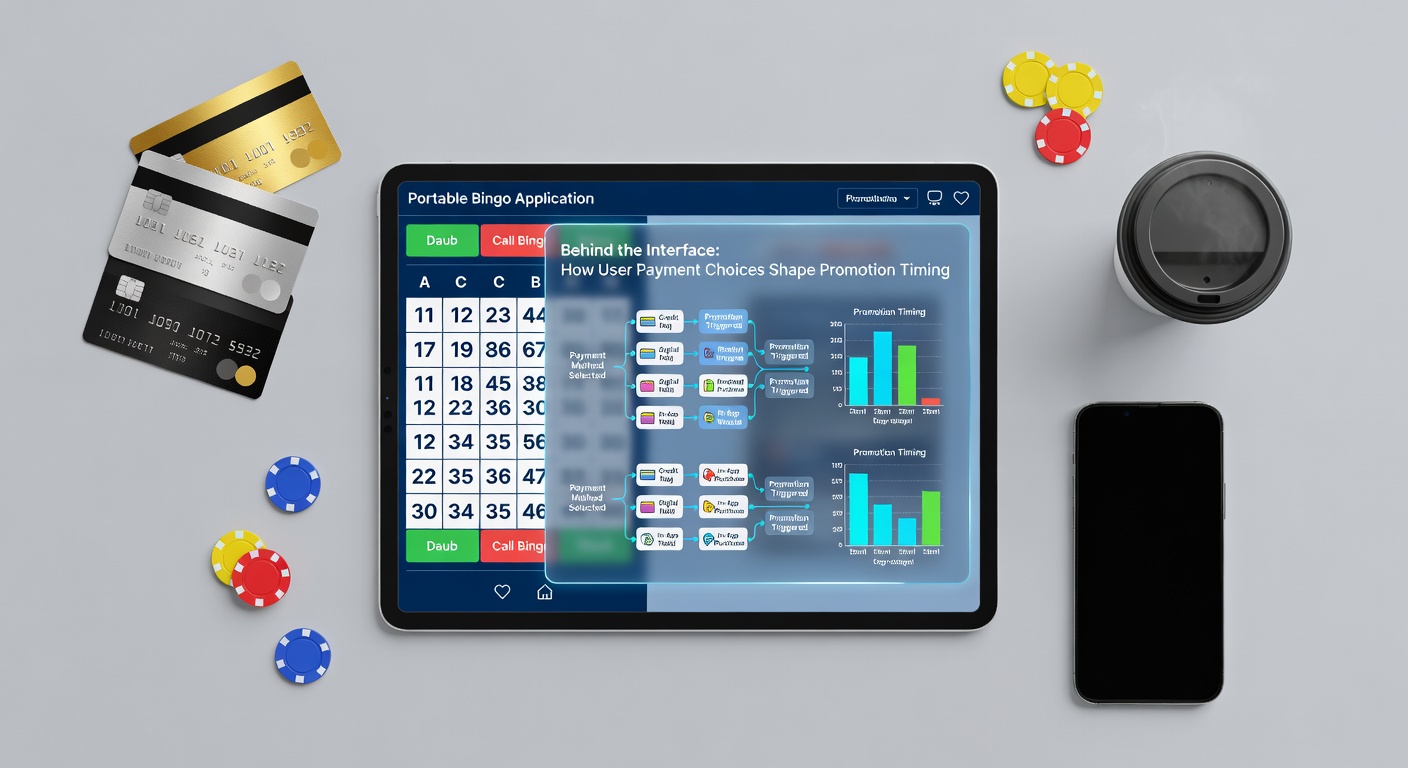
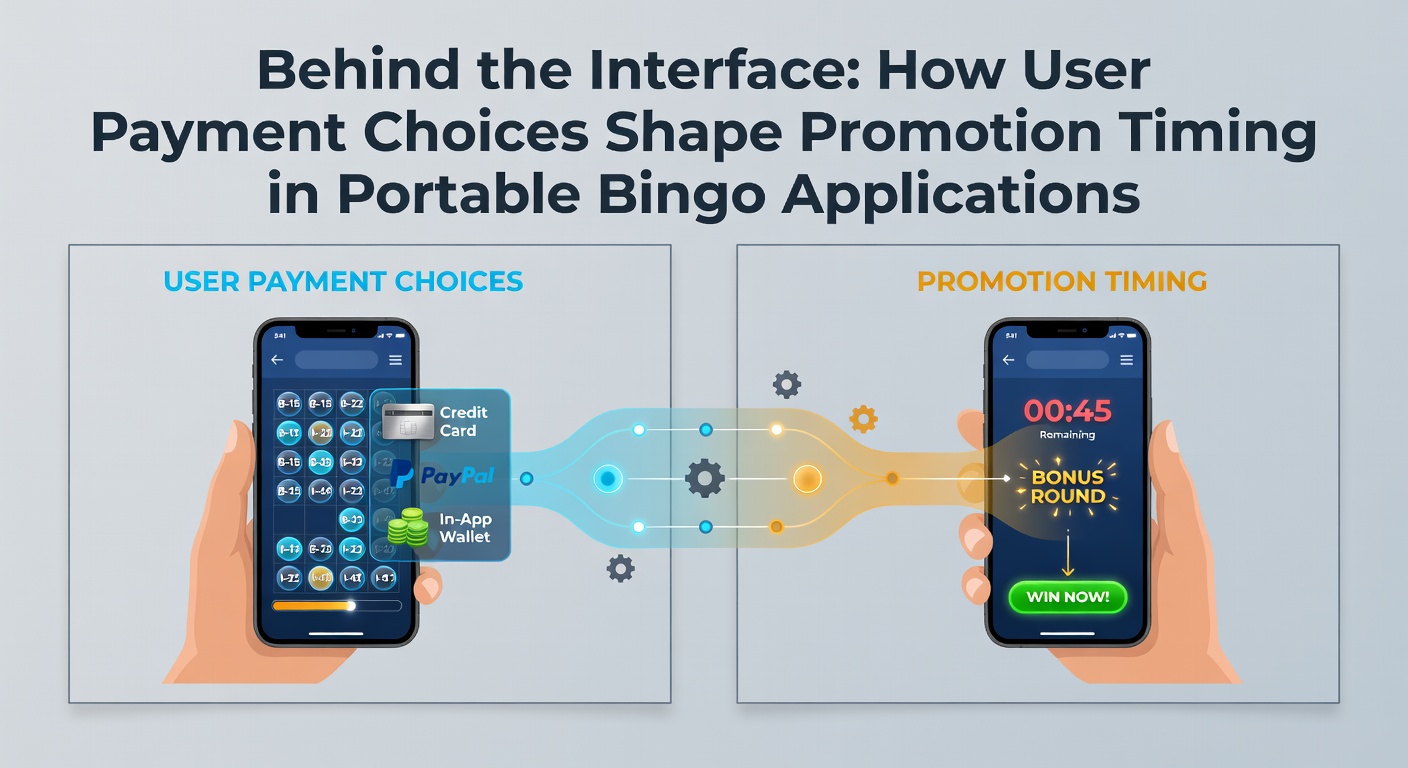
Portable bingo applications rely on intricate data systems that track user payment selections, and these choices often determine when promotions appear on screens. Payment methods range from traditional credit cards and bank transfers to e-wallets and digital currencies, each carrying distinct processing speeds and user behavior patterns that developers monitor closely. Research from gaming analytics firms indicates that platforms adjust offer schedules based on transaction completion rates, with faster methods frequently triggering earlier incentives during active sessions.
Data Analytics Behind Payment-Driven Promotions
Developers integrate real-time monitoring tools that segment users according to their preferred payment options, allowing systems to predict optimal moments for delivering bonuses or free games. Studies conducted by international gaming research groups reveal that credit card users tend to receive time-sensitive offers shortly after deposits clear, whereas those opting for bank transfers encounter delayed promotions aligned with settlement periods that can span several days. Observers note this approach stems from backend algorithms designed to maximize engagement without overwhelming slower transaction flows.
As of May 2026, reports compiled by the Alcohol and Gaming Commission of Ontario highlight how mobile platforms in regulated markets use payment metadata to refine promotion calendars, resulting in higher retention metrics for segmented audiences. Those who've examined operator dashboards describe clusters where e-wallet adopters see midday alerts tied to peak login times, while cryptocurrency participants often receive evening pushes that coincide with market volatility windows. This segmentation avoids uniform distribution and instead creates tailored sequences that reflect actual processing realities.
Payment Method Variations and Their Timing Effects
Credit card transactions process almost instantly in most portable bingo environments, which leads platforms to schedule introductory promotions within the first hour of funding. In contrast, users selecting direct bank debits experience waits that stretch promotion availability into subsequent days, a pattern confirmed through transaction logs analyzed by industry consultants. E-wallets such as those integrated with major digital services generate intermediate timing, often placing offers during the 30-minute window after verification completes.
One documented case involved a North American operator that shifted its free spin allocations based on payment velocity data, moving cryptocurrency-linked promotions earlier in user journeys to capitalize on rapid confirmation speeds. Researchers at academic institutions studying digital gambling interfaces found similar adjustments across multiple applications, where slower methods correlated with extended eligibility periods rather than immediate rewards. These adjustments help maintain system stability while aligning incentives with user cash flow expectations.
Regulatory Influences on Promotion Scheduling
Regulatory frameworks in various jurisdictions require operators to disclose how user data, including payment histories, informs marketing decisions, which adds layers to timing protocols. European authorities such as the Malta Gaming Authority have issued guidelines that encourage transparency around algorithmic triggers, prompting developers to log promotion delivery tied to specific transaction types. In Australian markets, oversight bodies track similar practices to ensure promotions do not exploit payment delays that might disadvantage certain user groups.
Platforms operating across borders incorporate these rules into their core systems, resulting in region-specific timing adjustments that appear in May 2026 updates. Data compiled by global trade associations shows compliance-driven changes often extend promotion windows for verified bank transfer users while compressing them for instant methods to meet fairness standards. This creates layered calendars that balance commercial goals with legal obligations across different territories.
Future Developments in Interface Design
Emerging technologies allow finer control over promotion timing through machine learning models that incorporate payment choice alongside session duration and deposit frequency. Projections from technology research centers suggest continued refinement will lead to dynamic offers that adapt within minutes based on live transaction feedback. Operators testing these systems report improved synchronization between user actions and reward availability, particularly when multiple payment options coexist in single accounts.
Integration of blockchain verification for certain digital currencies further accelerates timing precision, enabling promotions to activate almost immediately upon confirmation. Industry reports indicate this evolution builds on existing patterns observed in portable applications, where payment metadata serves as a primary variable in scheduling engines. Continued monitoring by oversight groups ensures these advancements remain aligned with consumer protection priorities.
Conclusion
Payment selections in portable bingo applications function as key inputs that shape promotion timing through layered analytics and regulatory compliance measures. Evidence from transaction studies and oversight reports demonstrates consistent differentiation based on method speed and regional rules, producing varied user experiences across platforms. As systems evolve with new verification tools, timing mechanisms will likely grow more responsive while maintaining adherence to established standards in multiple markets.